Can Objectification Be Empowering?

I am always attentive to visual politics. I notice and think about acts of looking, being looked at, putting oneself on display. The gym is a realm of exhibition—more than it is a zone of exercise—and many people go there to work out their eyes as well as their guns. The other day I was in a spin class, pedalling away on my favourite stationary bike in the designated mirror-clad room, taking in a plethora of layered images. The shiny surface in front of me reflected the mirrored column located behind and to the left of me, which itself revealed the adjacent transparent windows opening onto the expansive weight room. There I spied Eye Candy #2 resting on a bench,  Continue reading

Disordered Eating

This title is a misnomer, for my eating is incredibly orderly these days. Everything is weighed, measured, and consumed at appropriate intervals. It might interest a few of you to know exactly what my diet consists of, though I try not to write the typical pre-competition blog, filled with such monotonous bullshit as: ‘Did double cardio today, then ate 5-7 almonds! or ‘I am hungry—hungry to visualize my success on stage!’ QMR is a nutrition expert who does not give it away for free and neither will I, at least not in complete detail. Today, however, was a medium food day, so I had 170 grams of bison, 8 egg whites, 60 grams of sweet potatoes, 115 grams of basa, 140 grams of chicken, 215 grams of brussels sprouts, 100 grams of butternut squash, 55 grams of wheat bran, and one scoop of protein powder. This is not a massive amount of food, nor it is particularly small. So when people wonder—or secretly ask one of my friends—if I have an eating disorder, I can only respond with a stunned expression revealing that I think they are idiots. Because they are idiots.
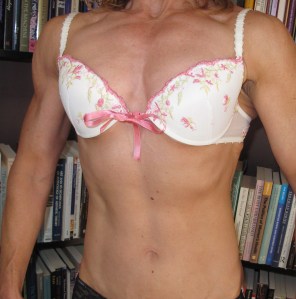
Just look at a recent picture of my body to see what I mean. This 8-week-out frame is visibly muscular, relatively lean, and hard. It is the result of years of working out, targeted weight training, and clean eating, notably during the last 80 days. It looks nothing like the bulimic body of my unstable housemate in graduate school, who would cook incessantly—often with the mushrooms and flowers she found outside—and then vomit her creations Continue reading

Biomedicalization at the Spa

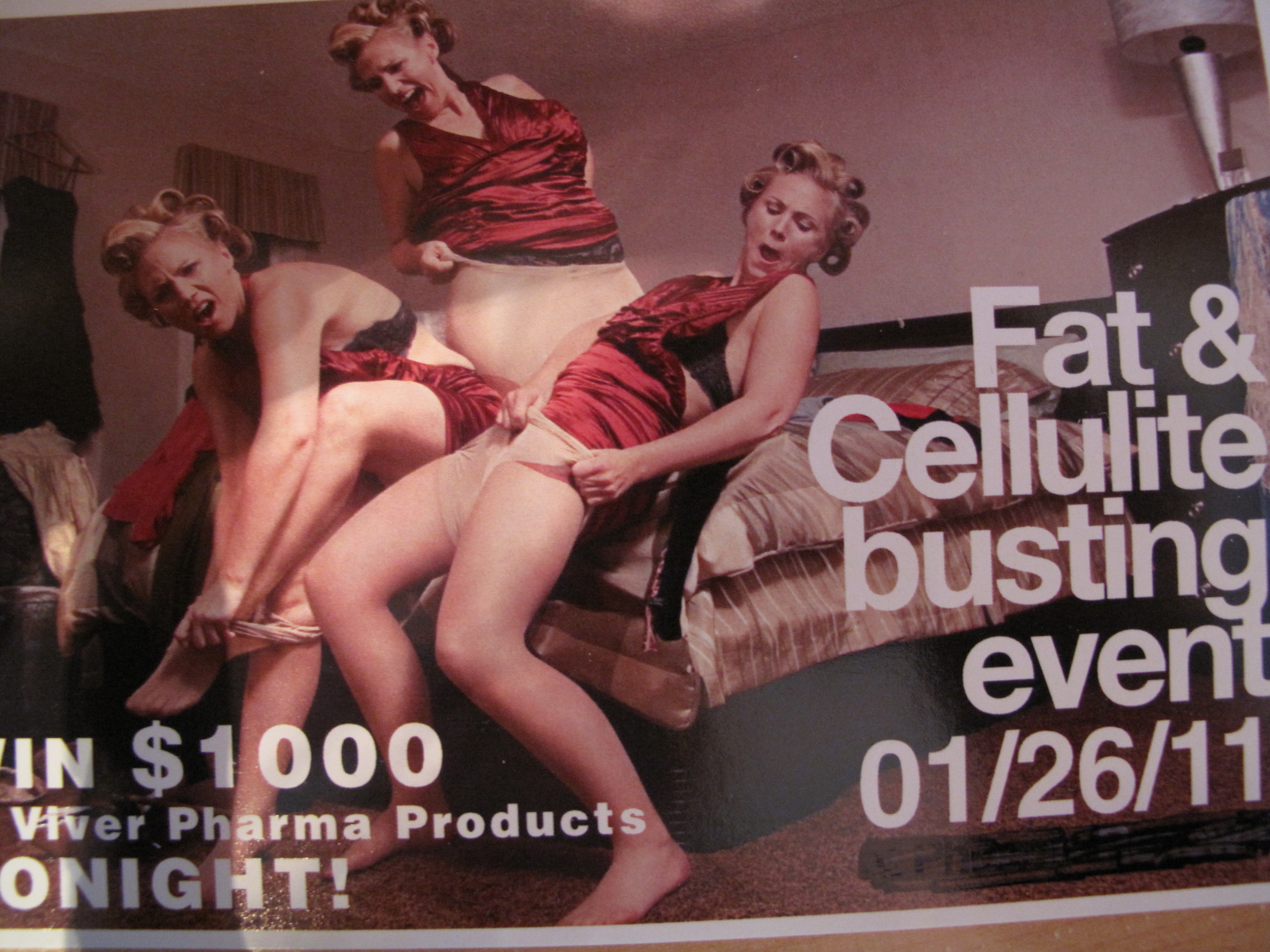
Wearing only a heavy white bathrobe, I recline on a narrow bed, my kicked-off flipflops nearby. A group of women gathers to watch as a professional irons my neck. ‘Does it hurt?’ asks a nearby voice. I cannot see this curious consumer because my eyes are protected by goggles from the flashing light of the SkinTyte laser being dragged up and down my lower face and neck area. ‘Oh no,’ I lie expertly, ‘at first there is a tingling sensation and the laser becomes warm by the fifth pass over my skin, but it is never more than slightly painful.’ I am performing my duty well, having received a $500 skin-tightening treatment for free by agreeing to participate in a seminar at the spa where I get laser hair removal on my legs and underarms. (I go somewhere cheaper for the full monty; see the post called ‘Pursuing Pain’ for a vivid description of that delightful sensation). Declaring that I would be the perfect model, my Lebanese aesthetician—she trades her fattoush recipes for my weight lifting tips—had handed me this invitation:  

Continue reading

The Beauty Myth (with Mad Men Seasons I and II Spoiler)

I finally got around to reading Naomi Wolf’s The Beauty Myth: How Images of Beauty Are Used Against Women, a bestselling book first published in 1991. I had avoided it, first of all because I am a snob who longs for distinction (see the previous post), but also because I was sure that I would despise it. I dislike populist versions of feminism, which tend to reduce hundreds of years of diverse forms of international activism to a few slogans and statistics. I finally had to admit, however, that The Beauty Myth must have struck a chord with at least some of its thousands of readers. As I sped through it, I found myself agreeing with many of its general observations. For instance, I was convinced that the apparent increase in female empowerment and movement into the western labour force during the second half of the twentieth century had met with a backlash in which rigid standards of beauty were more strictly enforced. Women were expected to be good looking as part of many job descriptions and could be legally fired for getting older or fatter, though now such firings would have to be done more cautiously, ostensibly for other reasons. 

Continue reading

The Look of Cosmetic Surgery

Unlike most people, I love long flights. That is the only time I can unguiltily relax, get caught up on Mad Men, or even better, read an entire book in one sitting. While travelling I recently completed Rhian Parker’s Women, Doctors and Cosmetic Surgery (2010). Though in many ways hideously dull and repetitive, I found one argument–based on in-depth interviews with Australian women who have purchased cosmetic surgeries of various kinds–surprising. Apparently, women do not pursue breast reductions or enlargements, nose jobs, and eye lifts in order to stand out or be looked at, enviously by women, lustfully by men. (All of the interviewed women were straight, something worth thinking about). Oh no; they just want to blend in and ‘look normal.’ 

Really? Because that is not my experience with cosmetic surgery; I mean, with hearing about other people’s cosmetic surgery, for I have had none of the invasive prodecures listed above (nor have I had any kind. I have not even had my appendix out or experienced a broken bone). Now I should confess–and this is something you already know–that most of the women I encounter who have had such interventions are fitness models, Continue reading